Start with the right widget
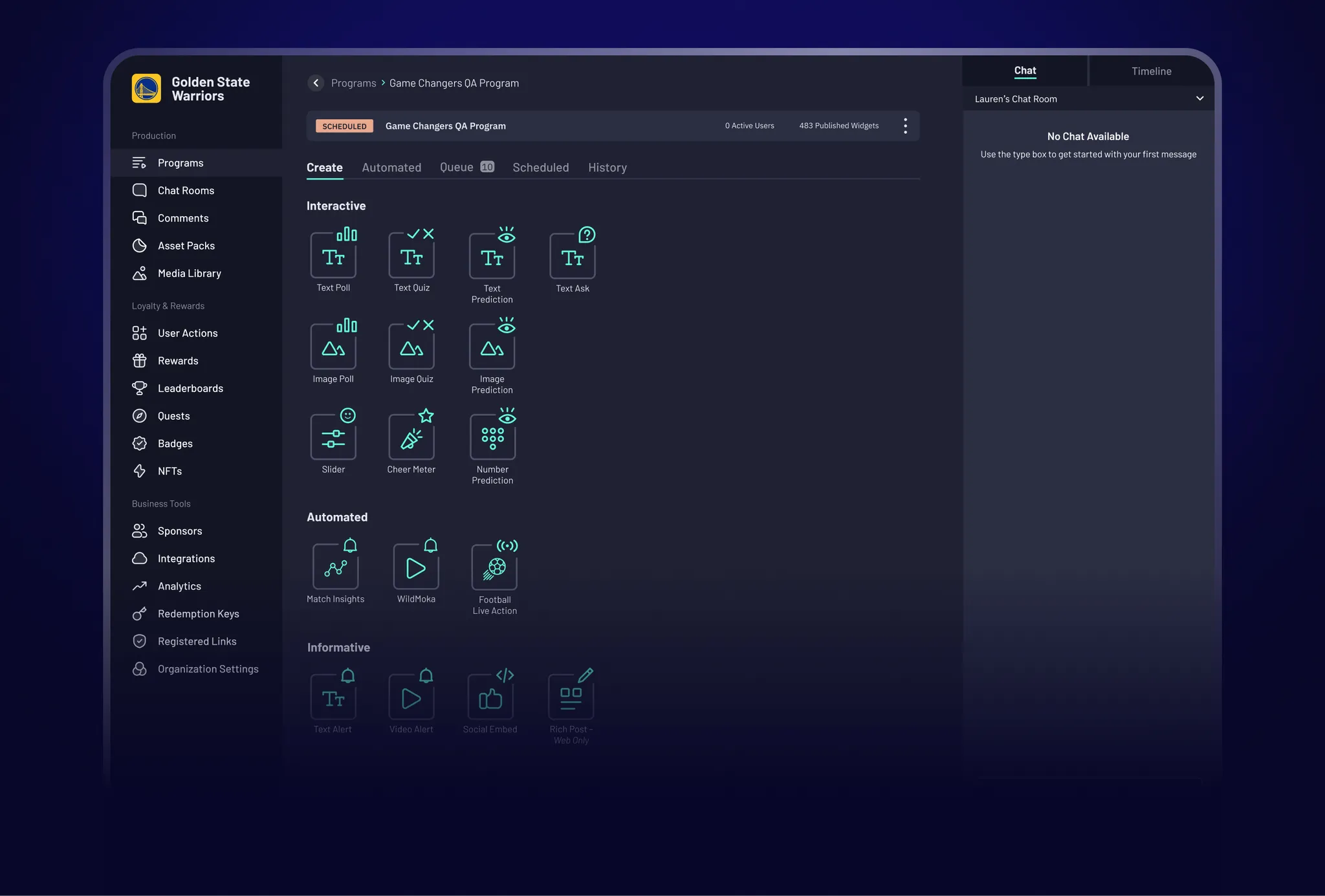
Operators select Football Live Action from the automated widgets in their event.


Helping sports broadcasters automate interactive content during live matches—without giving up editorial control.
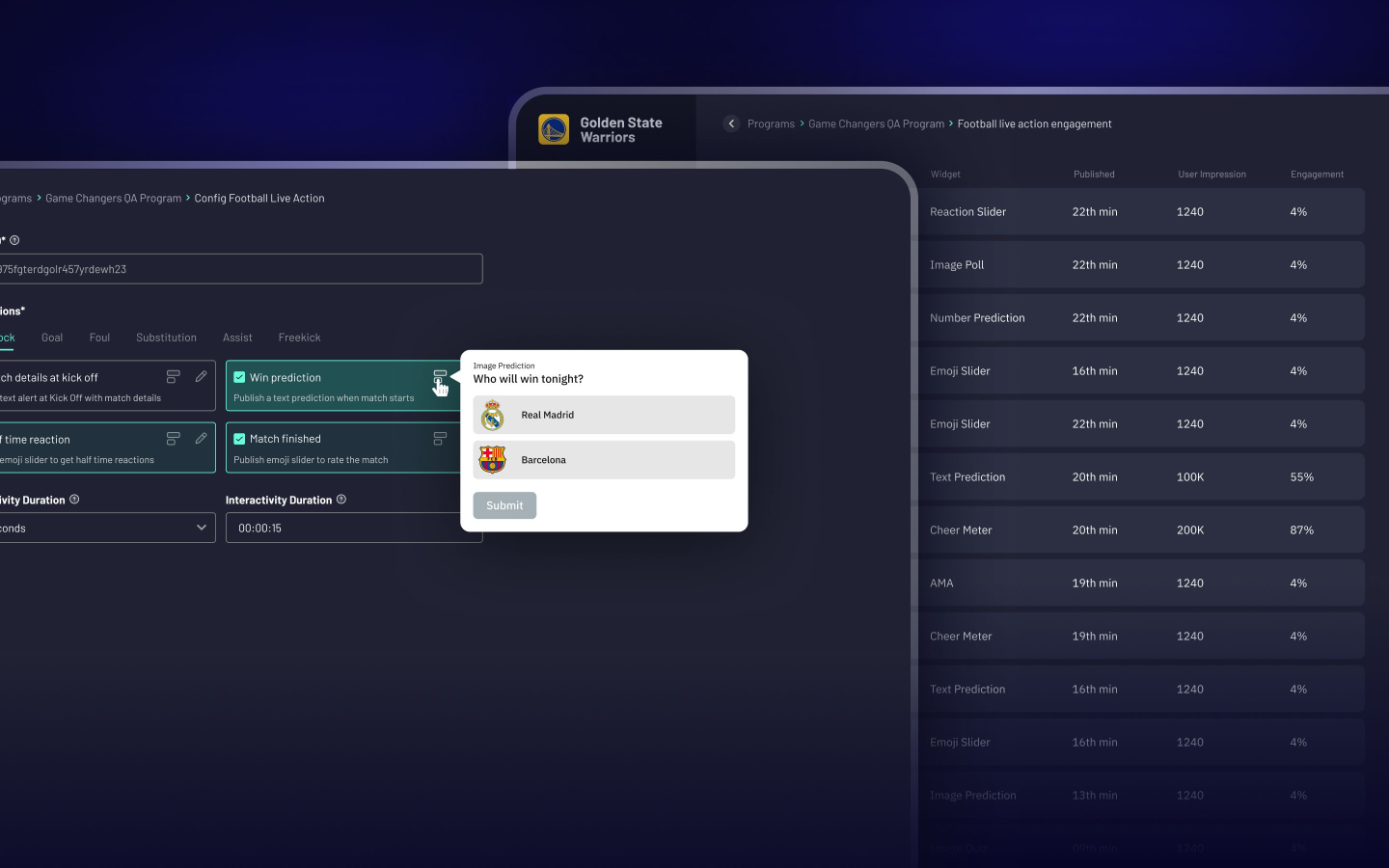
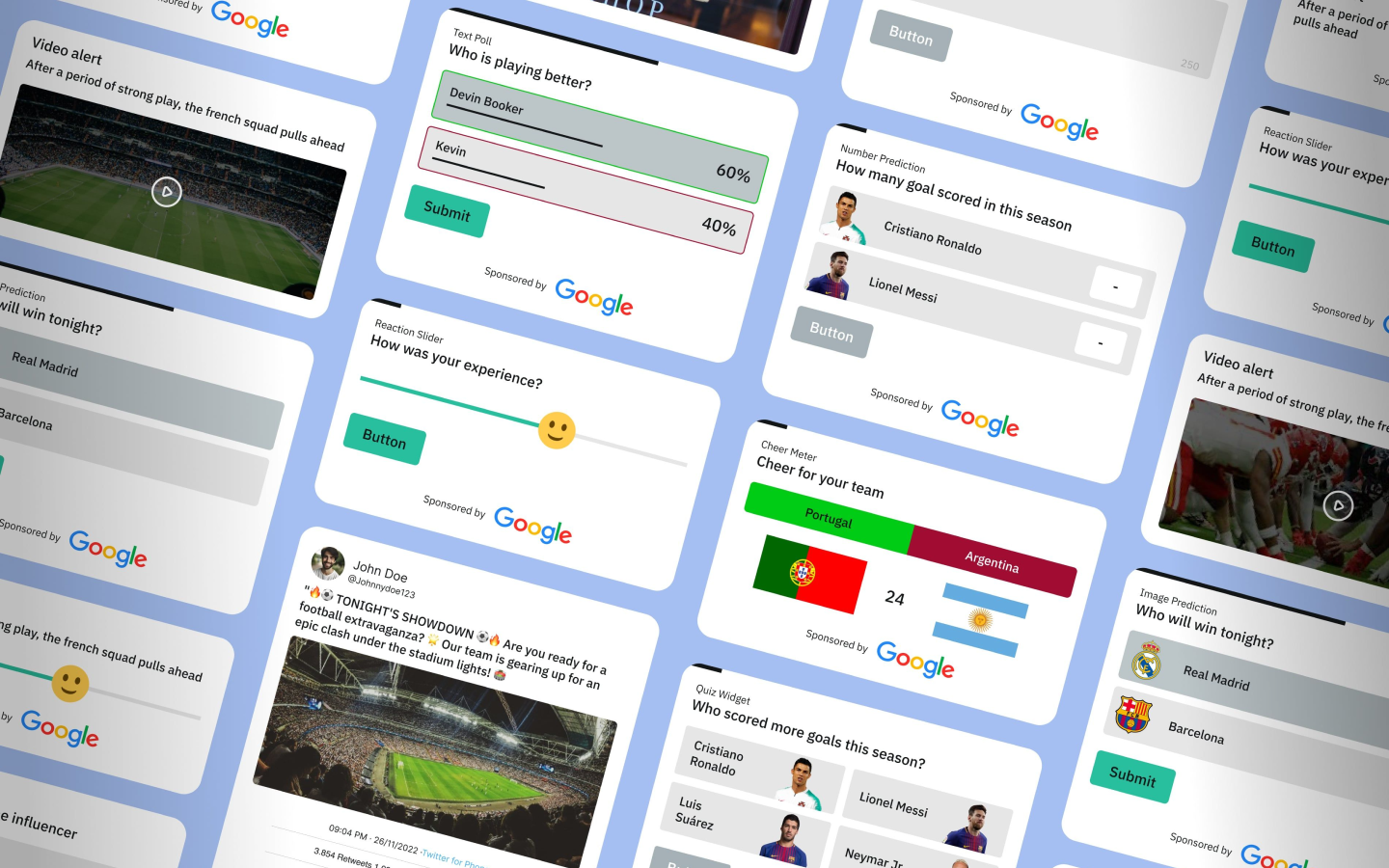
LiveLike helps media companies create interactive streaming experiences through polls, quizzes, reactions, and other widgets. For live sports, operators needed to keep that content relevant to every moment of a match.
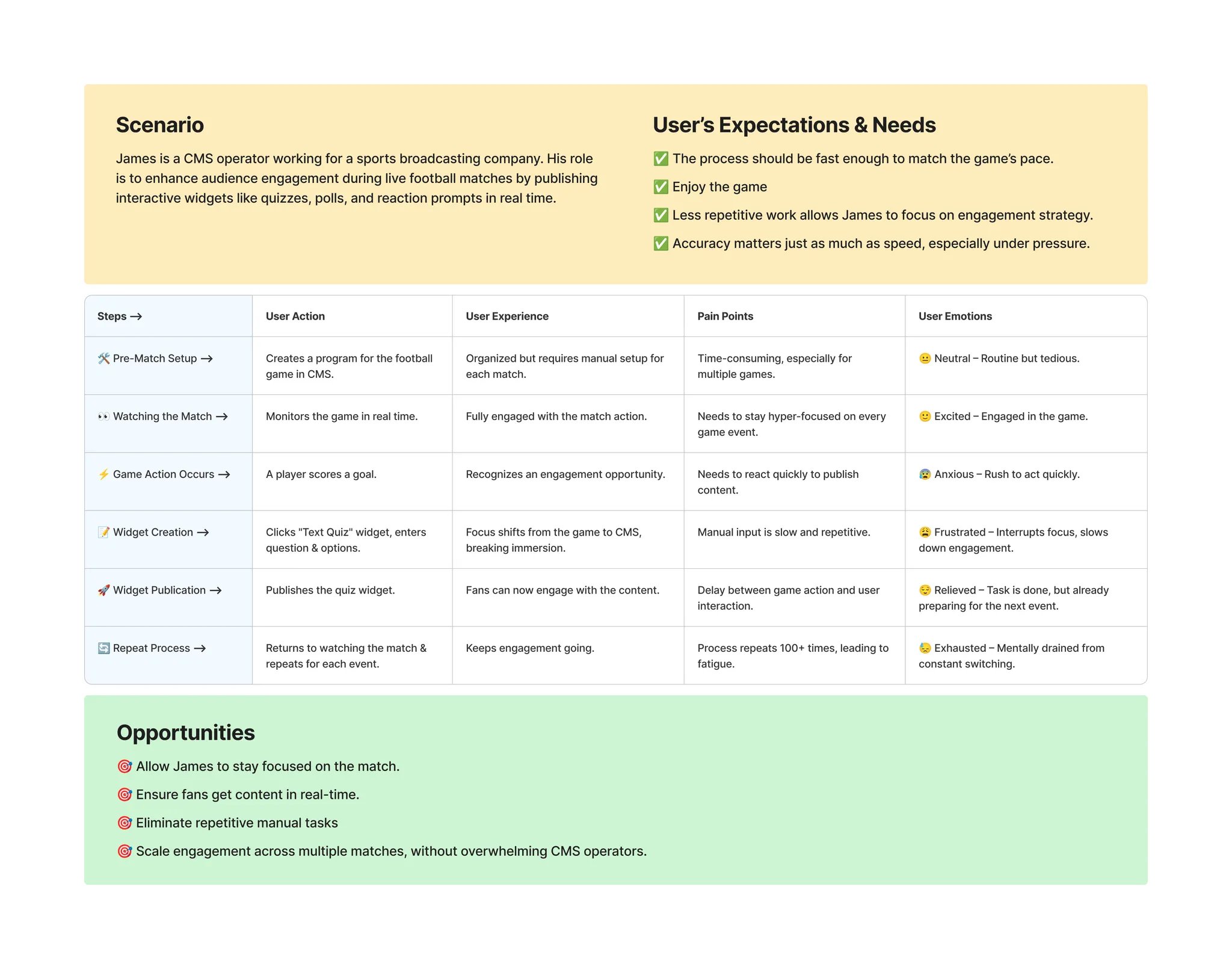
A broadcaster could spend the entire match watching for goals, penalties, and red cards, then manually creating and publishing a widget for each event. Managing several matches increased the workload and the need for additional staff.
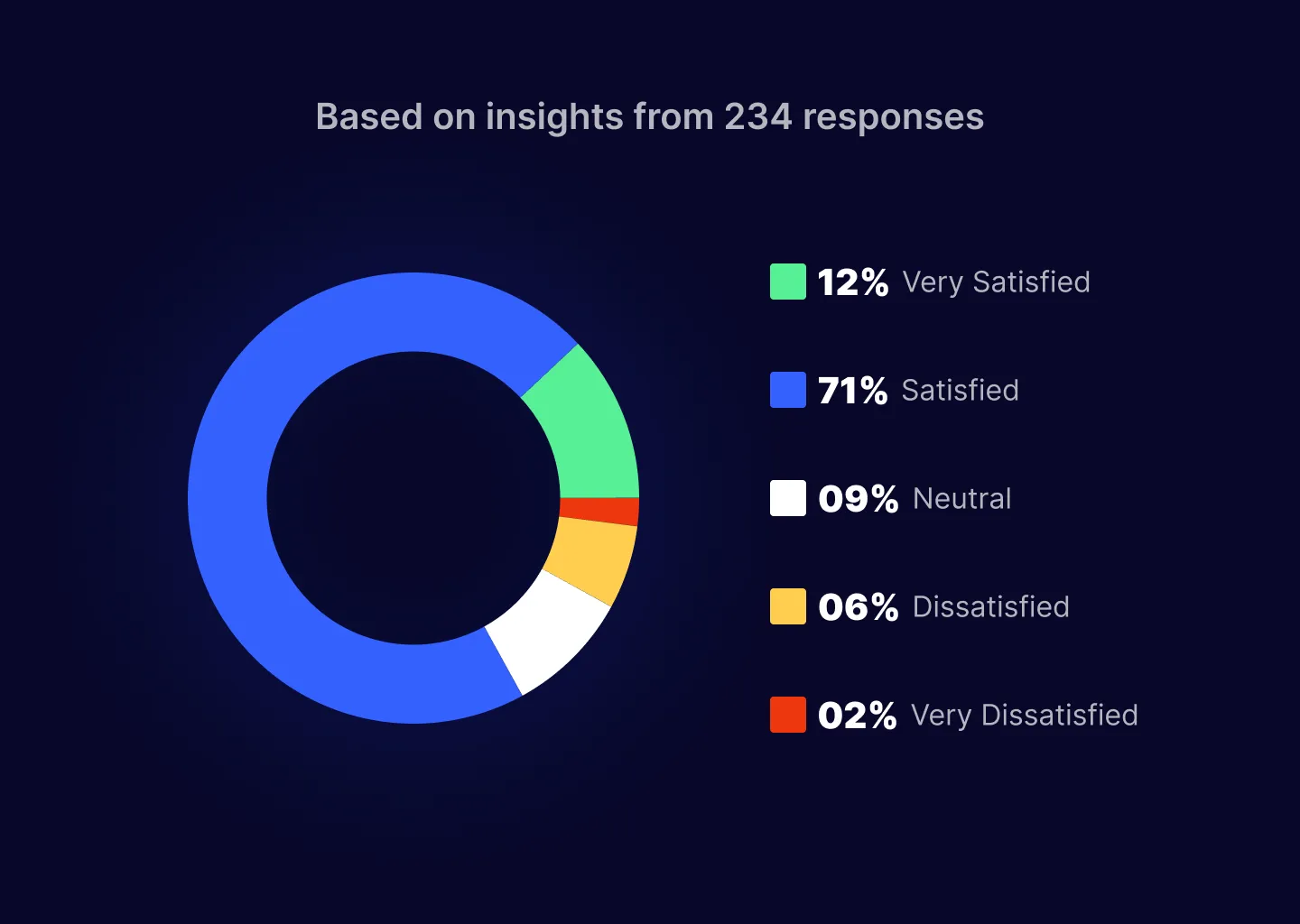
Interviews and quantitative research revealed a gap: 83% of users were satisfied with the CMS’s ability to meet business goals, but 36% were dissatisfied and 29% were neutral about widget publication. Operators wanted less repetitive data entry, faster content preparation, and a way to manage multiple events.
Working with the product owner and developers, I mapped live football events to interactive widget opportunities. Stats Perform’s live match data provided the dynamic content. The design combined one-time setup, optional editorial customization, active automation management, and performance tracking.
Operators select Football Live Action from the automated widgets in their event.
A Match ID connects the program to Stats Perform. Operators choose the live actions they want to automate.
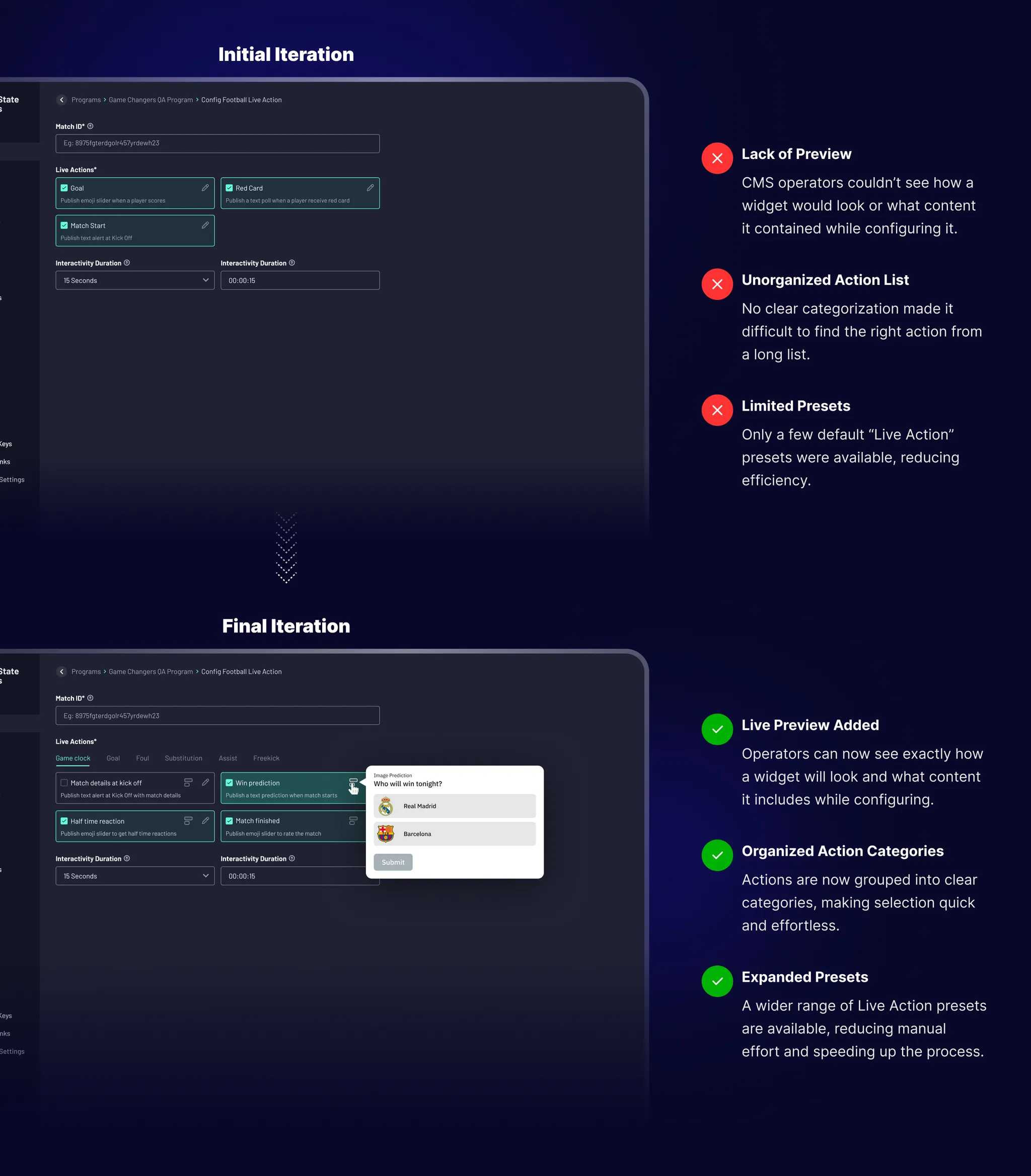
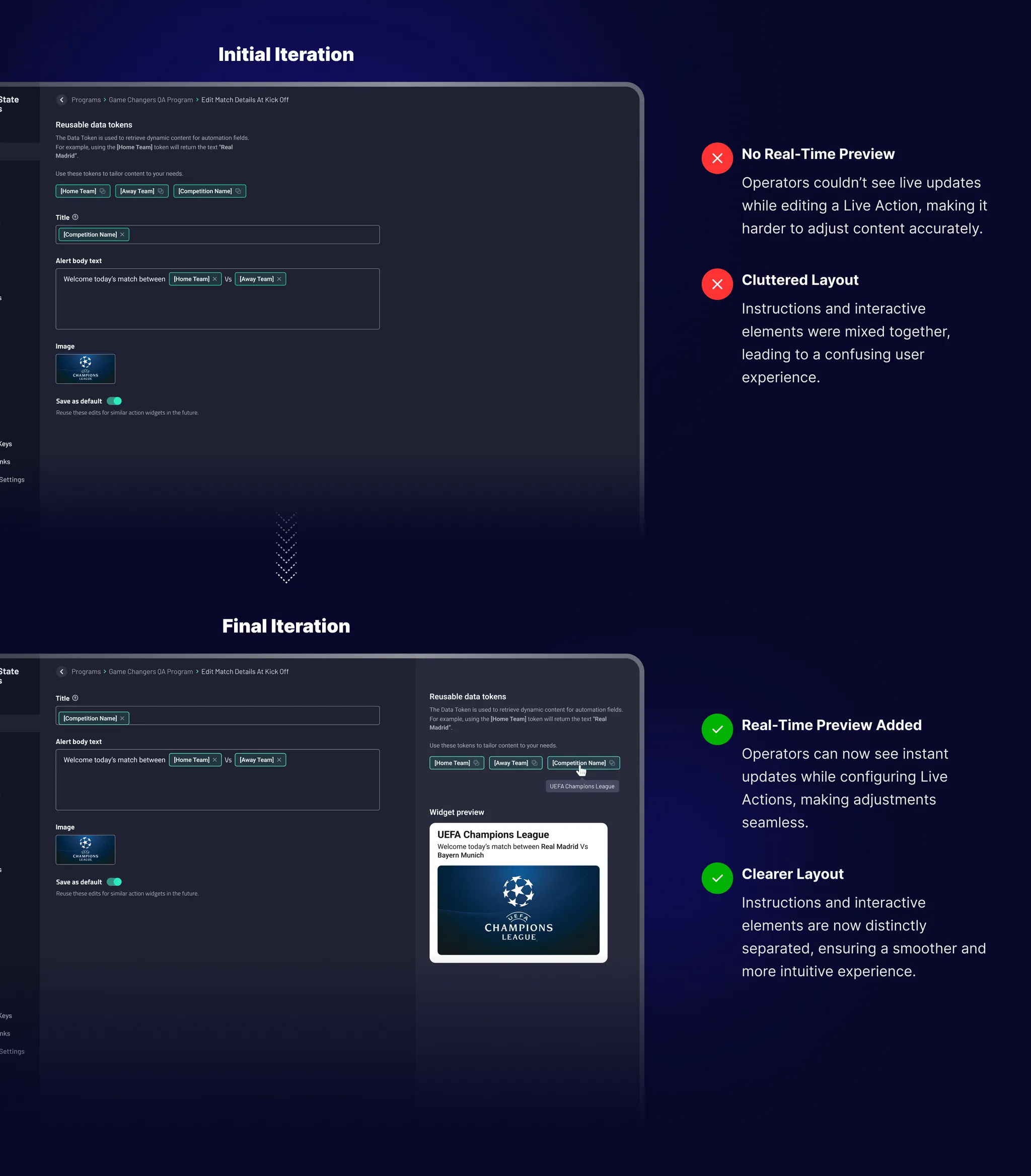
Editable presets combine static copy with reusable data tokens. Fields adapt to the widget type.
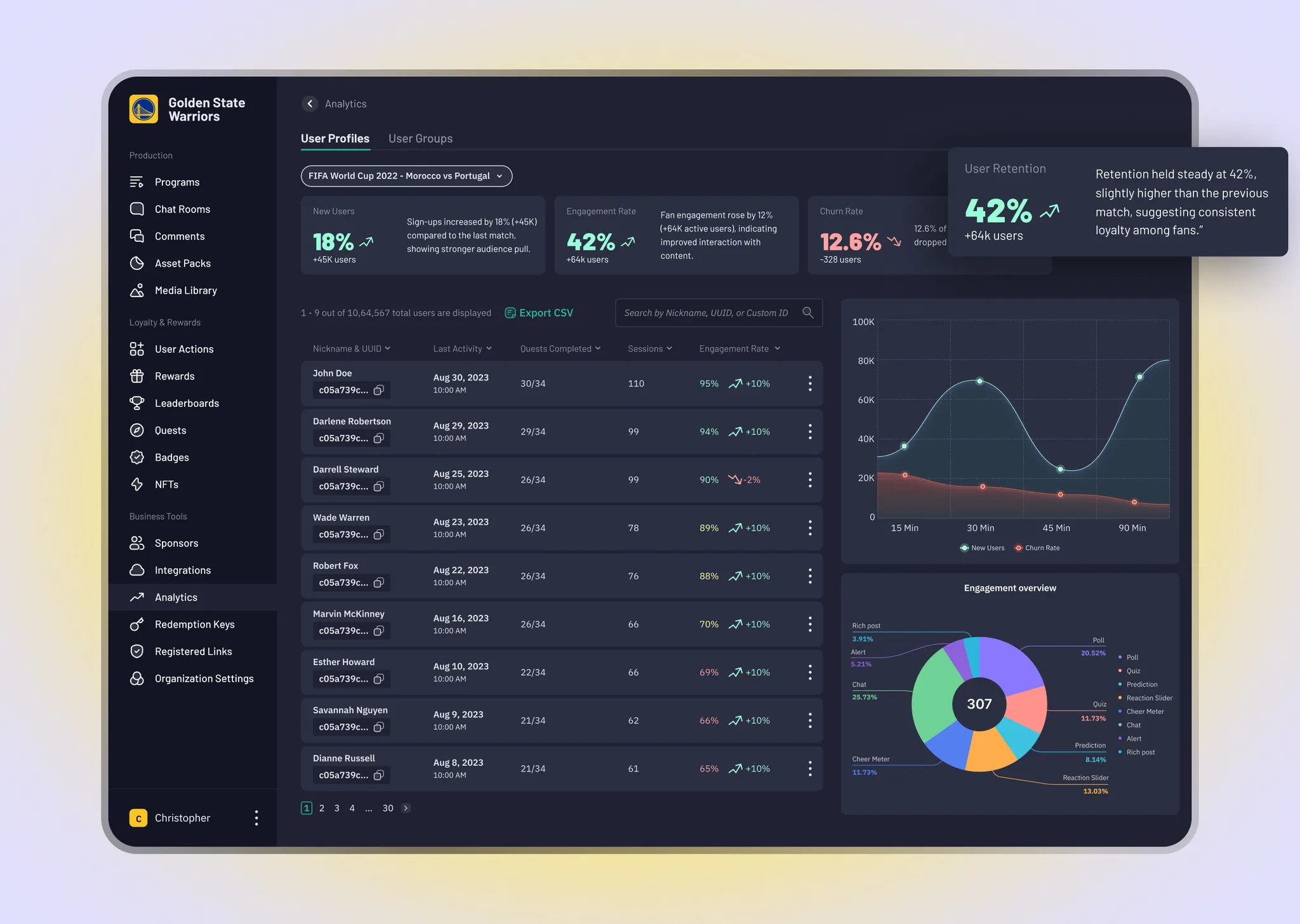
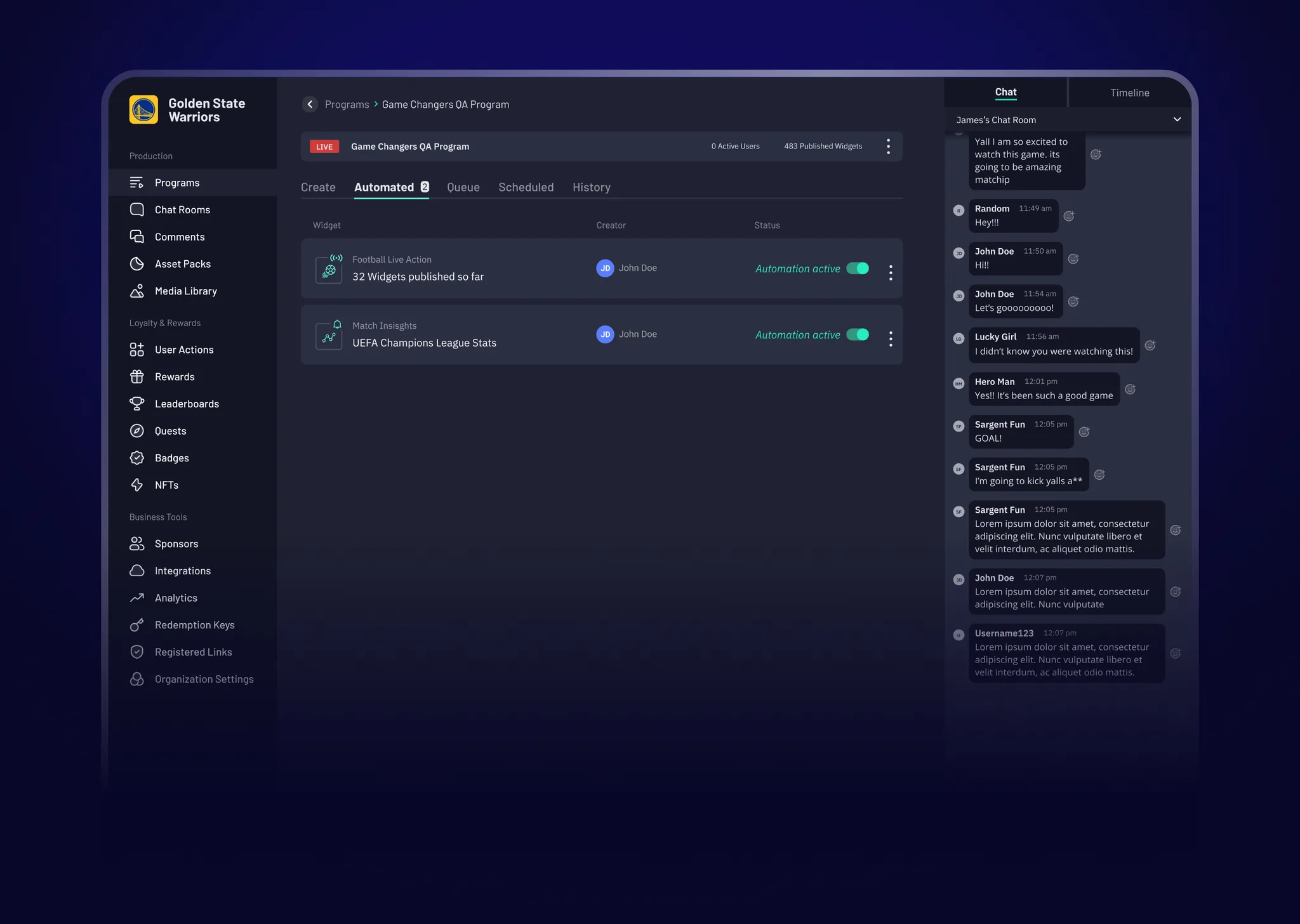
Operators can see their automations together, disable or delete them, and navigate to analytics.
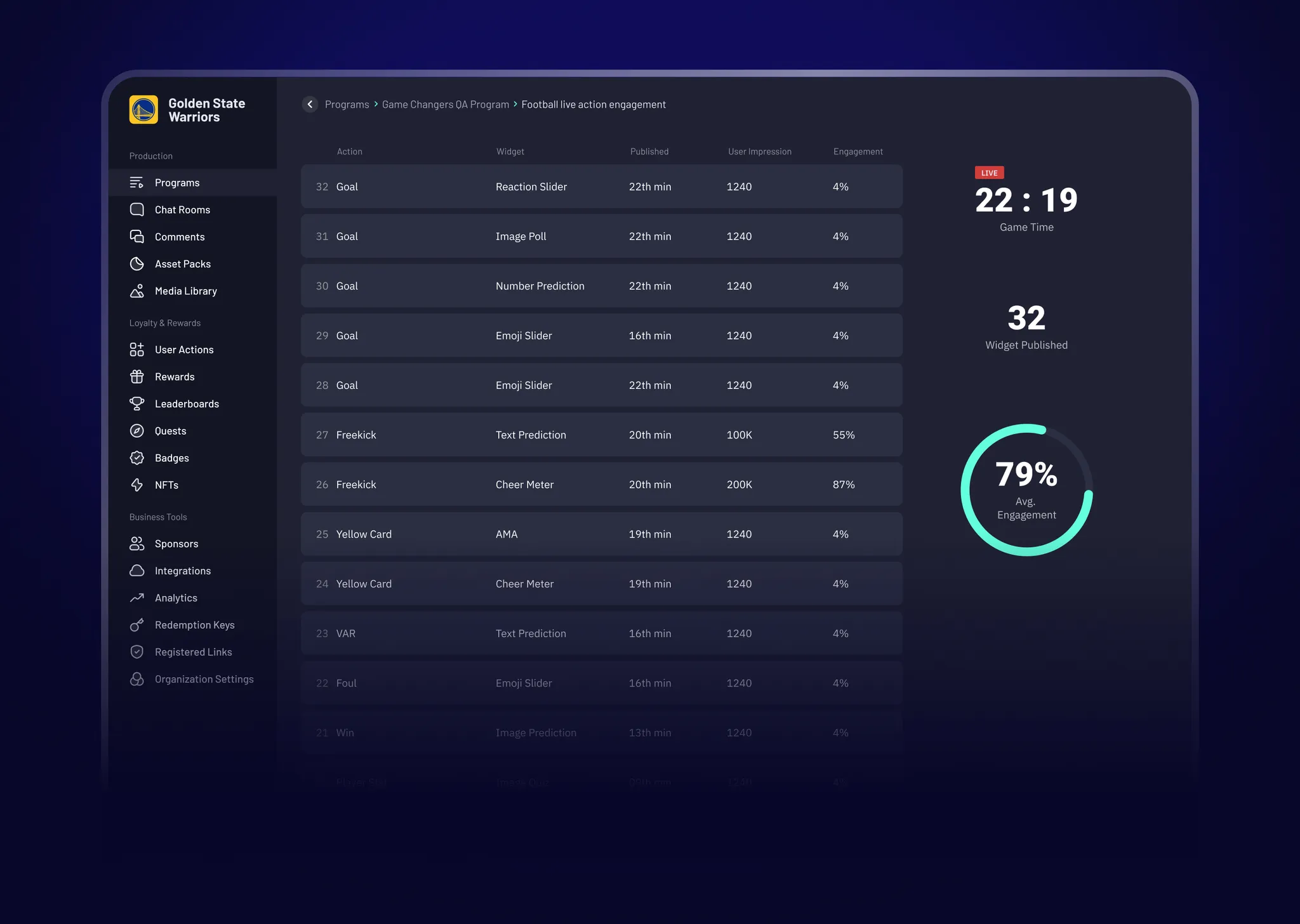
Real-time widget history, impressions, engagement, and average engagement rates help operators refine their content strategy.
The completed case study reports that task completion time fell from more than 120 minutes to 1–10 minutes. Positive feedback increased by 81%, retention improved by 29% within six months, and the feature acquired three new customers.
Automation works best when it removes repetitive effort while preserving control. Editable presets and transparent analytics kept operators involved in the decisions that matter.